
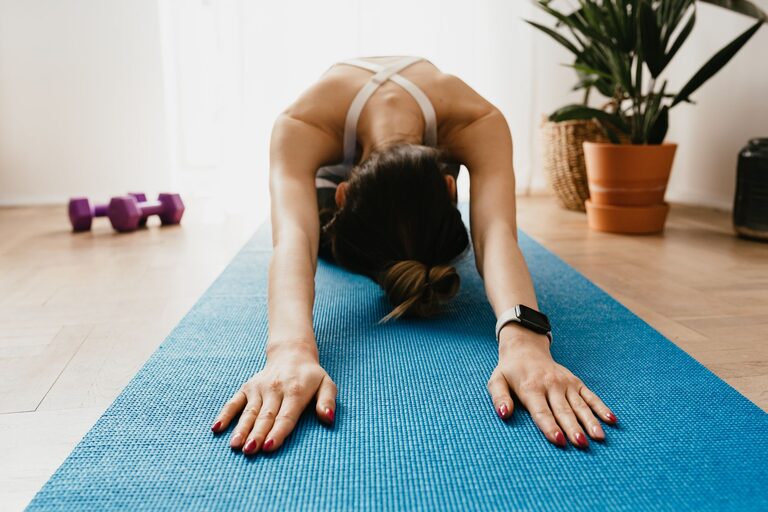
Stretching is a simple yet powerful way to improve your overall health and well-being. Whether you’re looking to increase your flexibility, reduce muscle tension, or simply add a relaxing routine to your day, stretching at home is a great option. This beginner’s guide will walk you through why stretching matters, how to get started safely, and some easy stretches you can do without any special equipment.
Why Stretching Matters
Many people overlook stretching, but it plays an important role in maintaining good muscle health and mobility. Here are a few benefits:
– Improves flexibility: Regular stretching helps lengthen your muscles and tendons, making it easier to move with greater range.
– Reduces muscle tension: Stretching can relieve tightness in muscles caused by long periods of sitting or physical activity.
– Enhances posture: Tight muscles can cause poor posture. Stretching helps maintain balance between muscle groups.
– Prevents injury: Warming up your muscles with stretching before exercise reduces the risk of strains or sprains.
– Boosts circulation: Stretching increases blood flow to muscles, supporting recovery and overall energy levels.
– Supports relaxation: Slow and deep stretching can help calm your mind and reduce stress.
Getting Started with Stretching at Home
Starting a stretching habit at home is easier than you might think. Here’s what you need to know:
Find a Comfortable Space
Choose a quiet, comfortable place with enough room to move freely. A yoga mat or soft carpet works well to cushion your joints.
Wear Comfortable Clothing
Opt for loose or stretchy clothes that allow full movement without restriction.
Warm Up First
It’s best to warm up your muscles before stretching to avoid injury. A 5-minute brisk walk, light jogging in place, or gentle arm swings can do the trick.
Focus on Major Muscle Groups
To gain the most benefit, stretch large muscle groups such as your calves, hamstrings, hips, lower back, neck, and shoulders.
Breathe Deeply and Relax
Deep, steady breathing helps muscles relax and improves the effectiveness of each stretch.
Don’t Bounce
Avoid bouncing or jerky movements. Stretch slowly and hold each position steadily for 15 to 30 seconds.
Listen to Your Body
Stretch to the point of gentle tension but never pain. If something hurts, ease off or try a different stretch.
Basic Stretches for Beginners
Here are some simple, effective stretches you can do at home to get started:
1. Neck Stretch
– Sit or stand up straight.
– Tilt your head slowly toward your right shoulder until you feel a gentle stretch on the left side of your neck.
– Hold for 20 seconds, then switch sides.
2. Shoulder Rolls
– Sit or stand with your back straight.
– Roll your shoulders forward in a circular motion 10 times.
– Reverse and roll them backward 10 times.
3. Chest Stretch
– Stand with your feet shoulder-width apart.
– Clasp your hands behind your back.
– Straighten your arms and gently lift your chest while squeezing your shoulder blades together.
– Hold for 20 to 30 seconds.
4. Seated Forward Bend
– Sit on the floor with legs extended straight in front of you.
– Inhale to lengthen your spine.
– Exhale and slowly bend forward from your hips, reaching toward your toes.
– Hold the stretch for 20 to 30 seconds without forcing.
5. Cat-Cow Stretch (for the back)
– Start on all fours with your wrists under shoulders and knees under hips.
– Inhale, arch your back, lifting your head and tailbone (Cow pose).
– Exhale, round your spine, tucking your chin and tailbone (Cat pose).
– Repeat 5–8 times breathing smoothly.
6. Standing Quadriceps Stretch
– Stand tall and hold onto a wall or chair for balance.
– Bend your right knee and grab your ankle or foot with your right hand.
– Gently pull your heel toward your buttocks until you feel a stretch in the front of your thigh.
– Hold for 20 seconds, switch sides.
7. Calf Stretch
– Stand facing a wall, place your hands on it at shoulder height.
– Step one foot back, keeping it flat on the floor and your knee straight.
– Lean into the wall until you feel a stretch in the calf muscle.
– Hold for 20–30 seconds and repeat on the other side.
Tips for Making Stretching a Habit
– Set a regular time: Stretch in the morning, during breaks, or before bed to build consistency.
– Start small: Even 5–10 minutes a day can make a difference.
– Combine with other routines: Stretch after exercise or yoga for better results.
– Track your progress: Notice how your flexibility improves over time.
– Stay patient: Flexibility develops gradually, so be kind to yourself.
When to Avoid Stretching or Seek Advice
While stretching is generally safe, avoid it if you have:
– Recent injuries or fractures
– Severe pain during stretching
– Conditions affecting joints, muscles, or nerves without medical advice
If you have any doubts, consult a healthcare or fitness professional before starting a new routine.
Final Thoughts
Stretching at home is a convenient way to support your health, improve flexibility, and feel more relaxed throughout your day. With just a few simple stretches and a bit of time, you can create a positive habit that benefits your body and mind. Remember to listen to your body, move gently, and enjoy the process of becoming more flexible and comfortable in your own skin.
Happy stretching!
