
Reducing food waste at home is an easy and impactful way to save money, conserve resources, and help the environment. With a few changes in habits and thoughtful planning, you can make a big difference. This post offers practical tips to minimize food waste throughout your kitchen routine.
Why Reducing Food Waste Matters
Food waste contributes significantly to landfill volume and greenhouse gas emissions. When food is thrown away, all the energy, water, and labor used to produce, transport, and package that food is wasted too. Additionally, the money spent on wasted food could be saved or put toward other household needs. Small efforts at home collectively create meaningful results.
Plan Your Meals and Shopping Efficiently
Make a Weekly Meal Plan
Creating a meal plan before shopping helps you buy only what you need. List all the meals and snacks for the week, then check your pantry and fridge to avoid duplicates.
Shop with a List
Stick to a shopping list based on your meal plan. This reduces impulse buys that may go unused or spoil quickly.
Buy in Appropriate Quantities
Consider your household size and consumption rate when purchasing perishable items. Bulk buying is only cost-effective if you can use the food before it expires.
Store Food Properly to Extend Freshness
Understand Proper Storage for Different Foods
Each type of food has ideal storage conditions. For example, leafy greens last longer when wrapped in paper towels and stored in breathable containers, while onions need a cool, dry place.
Use Airtight Containers
Transferring leftovers and opened products into airtight containers slows spoilage and keeps food fresh.
Keep Your Fridge Organized
Placing older items in front and newer ones in the back encourages using up food before it spoils. Labeling leftovers with dates can also help.
Use Leftovers Creatively
Repurpose Ingredients
Vegetables slightly past their prime can be turned into soups, stews, or smoothies. Stale bread can be made into croutons or breadcrumbs.
Create Leftover-Based Meals
Combine leftovers into a new dish, such as fried rice, omelets, or casseroles, to reduce waste and enjoy tasty meals.
Practice Mindful Portioning
Serve Smaller Amounts
Start with smaller portions and go for seconds if still hungry. This helps prevent uneaten food on the plate.
Use Smaller Plates
Smaller plates encourage smaller servings psychologically, which can reduce food left uneaten.
Compost Food Scraps
Composting Basics
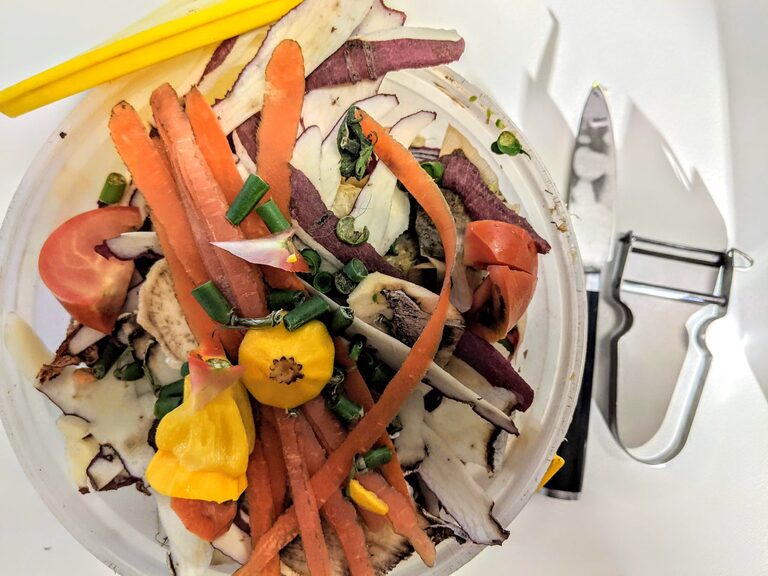
Set up a compost bin for food scraps like fruit peels, vegetable trimmings, and coffee grounds. Composting turns organic waste into nutrient-rich soil for your garden.
Use Local Composting Programs
If you don’t have space or interest in home composting, many communities offer food waste collection services.
Donate Surplus Food
If you have unopened, unexpired food you can’t use, consider donating it to local food banks or shelters. This helps reduce waste and supports those in need.
Regularly Check and Rotate Your Pantry
Use the “First In, First Out” Method
When putting away new groceries, move older items to the front. This encourages you to use up food before it expires.
Clean Your Pantry and Fridge Often
Regular cleaning helps you identify forgotten or expired items to use or discard promptly.
Conclusion
Reducing food waste at home is a manageable goal with lasting benefits. Through meal planning, smart shopping, better food storage, and creative cooking, you can save money and contribute to a healthier planet. Start with small changes and build habits that make a difference over time. Your kitchen can become a model of sustainability while still enjoying delicious food every day.
