
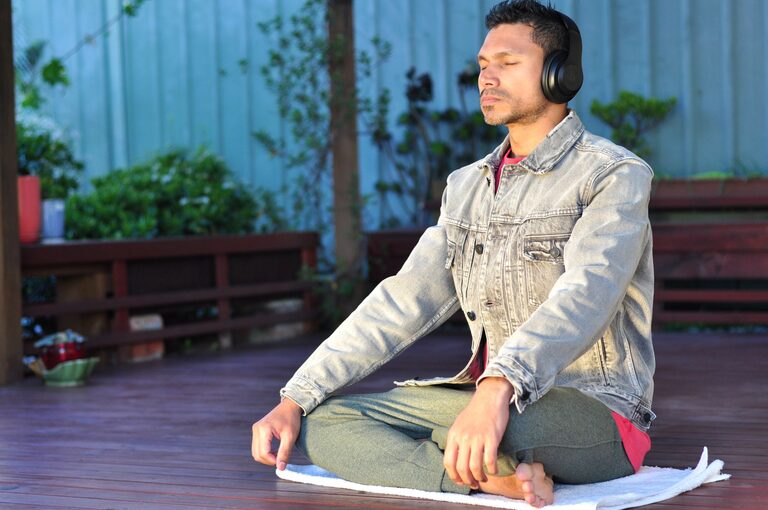
Mindfulness is a powerful way to bring calm and clarity into your everyday life. It means paying attention to the present moment without judgment. Practicing mindfulness can reduce stress, improve focus, and enhance your overall well-being. The good news is that you don’t need special equipment or a lot of time to get started. Here are some simple mindfulness practices you can easily add to your daily routine.
What is Mindfulness?
Mindfulness is the practice of being fully aware of where you are and what you’re doing. It means observing your thoughts and feelings without trying to change them or push them away. Instead of worrying about the past or future, mindfulness encourages you to experience life as it happens.
When practiced regularly, mindfulness can help you:
– Lower stress levels
– Improve concentration
– Enhance emotional resilience
– Promote better sleep
– Increase overall happiness
Simple Mindfulness Techniques for Daily Life
1. Mindful Breathing
One of the easiest ways to practice mindfulness is through your breath. Focusing on your breath helps anchor you to the present moment.
How to practice:
– Find a comfortable sitting position.
– Close your eyes or soften your gaze.
– Take slow, deep breaths in through your nose and out through your mouth.
– Pay attention to the sensation of the air entering and leaving your lungs.
– If your mind wanders, gently bring your focus back to your breath.
– Start with just 2–3 minutes and gradually increase the time.
2. Body Scan Exercise
A body scan helps you connect with physical sensations and release tension.
How to practice:
– Lie down or sit comfortably.
– Close your eyes and take a few deep breaths.
– Slowly bring your attention to different parts of your body, starting from your toes up to your head.
– Notice any sensations—warmth, tightness, or relaxation—without judgment.
– Spend a few seconds on each area before moving to the next.
– This practice can take anywhere from 5 to 15 minutes.
3. Mindful Eating
Eating mindfully allows you to enjoy your food more and recognize your body’s hunger and fullness signals.
How to practice:
– Before eating, take a moment to appreciate the appearance and smell of your food.
– Eat slowly and chew thoroughly.
– Notice the texture and flavors with each bite.
– Avoid distractions such as TV or phones while eating.
– Pay attention to your body’s cues on when you feel satisfied.
4. Mindful Walking
Turning a simple walk into a mindfulness practice can refresh your mind and body.
How to practice:
– Walk at a natural pace.
– Focus on the sensations in your feet and legs as they touch the ground.
– Notice your surroundings—colors, sounds, smells—without labeling them.
– If your mind drifts, gently bring it back to the experience of walking.
– Even a short 5-minute walk can make a difference.
5. Daily Mindfulness Reminders
Incorporate short mindfulness pauses during your day to reset and refocus.
How to practice:
– Set an alarm or reminder on your phone every few hours.
– When the reminder goes off, pause for a minute or two.
– Take a few deep breaths and check in with your body and mind.
– Notice how you feel and let go of any tension.
– Return to your tasks with renewed attention.
Tips for Building a Consistent Mindfulness Practice
– Start small: Even one minute a day is better than none.
– Be patient: Mindfulness is a skill that develops over time.
– Create a routine: Practice at the same time each day if possible.
– Use guided resources: Apps and videos can provide helpful instructions.
– Be kind to yourself: It’s normal for your mind to wander. Gently bring your focus back without self-judgment.
Benefits of Practicing Mindfulness Daily
Regular mindfulness practice can lead to many positive changes, including:
– Reduced anxiety and depression symptoms
– Improved memory and cognitive function
– Enhanced relationships through better listening and empathy
– Increased creativity and problem-solving skills
– Greater overall satisfaction with life
Conclusion
Mindfulness doesn’t require hours of meditation or special skills. By incorporating simple practices like mindful breathing, eating, and walking, you can enjoy greater calm and presence every day. Start with just one or two techniques and build from there. Over time, these small habits can make a meaningful impact on your mental and emotional well-being.
Remember, mindfulness is a journey rather than a destination. Enjoy each moment and be gentle with yourself along the way.
